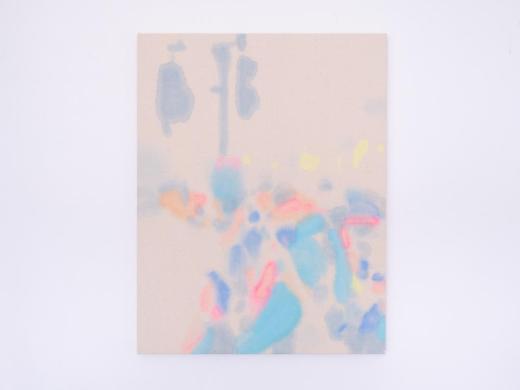
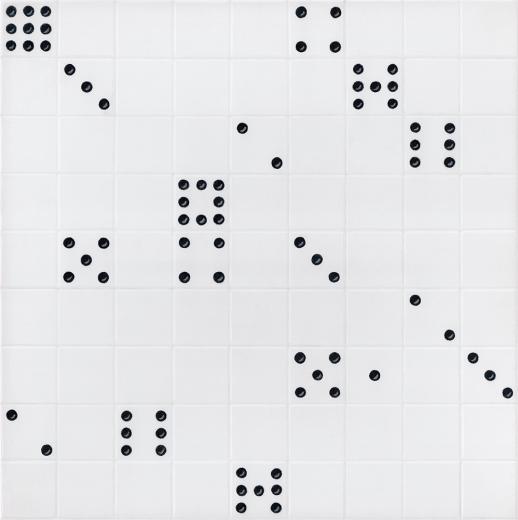
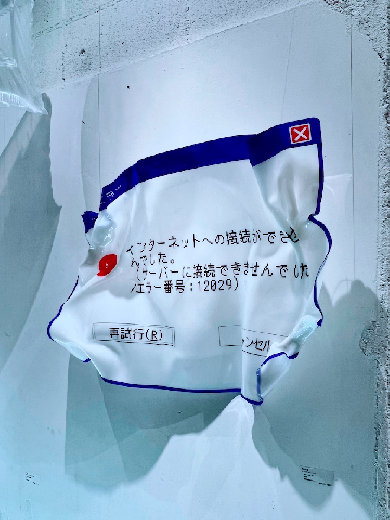
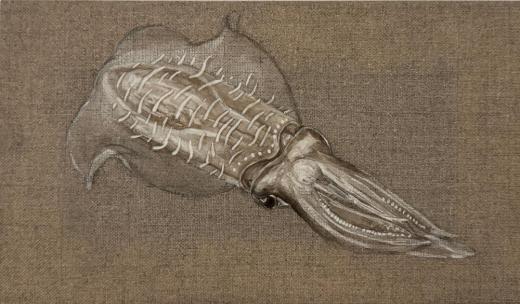
人形町の茶屋の情景から着想を得て制作。
人形町の甘酒横丁は、明治初めにこの地にあった甘酒屋「尾張屋」に由来する名を今に残し、江戸情緒と現代の街の気配が折り重なる場所である。
江戸の水茶屋にいた茶屋娘たちは、茶や休息を供するだけでなく、人々を惹きつける町の顔でもあった。18世紀半ば以降、彼女たちは江戸の都市文化のなかで、接客と憧れが交差する象徴的な存在となっていく。
本作では、その茶屋娘の像に、秋葉原の近接から想起される現代の給仕文化を重ねた。人形と人間、過去と現在、虚構と現実。その境界に生じる裂け目を通して、都市の記憶と欲望がこちら側へにじみ出す瞬間を描いている。
This work was inspired by the atmosphere of the teahouses of Ningyocho.
Amazake Yokocho in Ningyocho preserves the name of Owariya, an amazake shop that once stood in this area in the early Meiji period. It is a place where the lingering charm of Edo and the presence of the contemporary city overlap.
The chaya musume—young women who worked at Edo-period teahouses—did more than serve tea and offer a place of rest; they also became recognizable faces of the town, drawing people in. From the mid-18th century onward, they came to occupy a symbolic position within Edo urban culture, where hospitality and admiration intersected.
In this work, the image of the chaya musume is layered with contemporary service culture evoked by the proximity of Akihabara. Dolls and humans, past and present, fiction and reality. Through the fissures that emerge along these boundaries, the work depicts the moment when the memories and desires of the city begin to seep toward us.